
As the seasons change in Winston-Salem, NC, your home's locks and security systems face different challenges that can affect their performance and longevity. From the humid summers to occasional winter freezes, understanding how to maintain your locks throughout the year can save you from emergency lockouts and costly repairs. At Winston Salem Guardian Locksmith, we've served the community at 3655 Reed St and surrounding areas for years, and we've seen firsthand how proper seasonal maintenance can prevent security issues before they start. This comprehensive guide will walk you through everything you need to know about keeping your locks in optimal condition, no matter what North Carolina weather throws your way.
Spring Maintenance: Preparing Your Locks for Warmer Weather
Spring is the perfect time to give your locks a thorough inspection after the winter months. As temperatures rise and humidity begins to increase in Winston-Salem, your locks need attention to ensure they're ready for the warmer seasons ahead.
Start by examining all exterior locks for signs of winter damage. Look for rust, corrosion, or moisture buildup that may have accumulated during colder months. The freeze-thaw cycles we occasionally experience in North Carolina can cause metal components to expand and contract, potentially leading to misalignment or internal damage.
Clean your locks thoroughly using a soft brush to remove any dirt, pollen, or debris that has accumulated. Winston-Salem's spring pollen can be particularly problematic for locks, as the fine particles can work their way into the lock mechanism and cause sticky or sluggish operation. Use compressed air to blow out any remaining particles from the keyway.
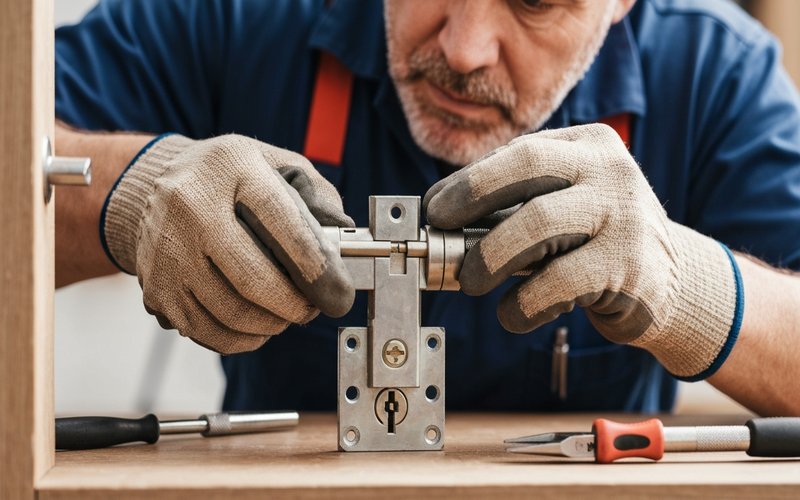
Lubricate all locks with a graphite-based lubricant or a specialized lock lubricant. Avoid using WD-40 or oil-based products, as these can attract dirt and gum up the mechanism over time. Apply the lubricant sparingly to the keyway and work the key in and out several times to distribute it evenly throughout the lock cylinder.
Summer Security: Protecting Locks from Heat and Humidity
Winston-Salem summers bring high temperatures and significant humidity, both of which can affect your locks' performance. Metal components can expand in extreme heat, and moisture in the air can lead to rust and corrosion if locks aren't properly maintained.
Check all exterior door locks for proper alignment. Heat can cause door frames to swell or shift slightly, which may result in locks that are harder to turn or deadbolts that don't align properly with the strike plate. If you notice increased resistance when locking or unlocking doors, the issue may be alignment rather than the lock itself.
Inspect weatherstripping around doors to ensure moisture isn't reaching your locks. Even small gaps can allow humid air and rain to penetrate, leading to internal corrosion. Replace any worn or damaged weatherstripping to keep moisture out and maintain your home's energy efficiency.
Consider applying a protective coating to exterior locks, especially those exposed to direct sunlight and rain. Many modern locks come with weather-resistant finishes, but older locks may benefit from additional protection. Consult with a professional locksmith about appropriate protective treatments for your specific lock types.
Test all locks regularly during summer months. Vacation season means your home may be left unattended for extended periods, making it crucial that all security measures are functioning properly. A simple test of each lock once a week can help you catch potential issues before they become emergencies.
Fall Preparation: Getting Ready for Cooler Weather
As temperatures begin to drop in Winston-Salem, fall is an ideal time to prepare your locks for the challenges of winter. This seasonal transition offers an opportunity to address any issues that developed during summer and ensure your home security is ready for the months ahead.
Conduct a comprehensive security audit of your property. Check all entry points, including doors, windows, and garage entries. Pay special attention to locks that may have been used less frequently during summer, such as basement doors or secondary entrances. These locks can become stiff from lack of use and may need extra attention.
Replace any worn keys before winter arrives. Keys that show signs of wear, bending, or damage are more likely to break off in a lock during cold weather when metal becomes more brittle. Having fresh copies made now can prevent frustrating lockouts when temperatures drop.
Inspect smart locks and electronic security systems. Check batteries in electronic locks and keypads, as cold weather can reduce battery life. Consider upgrading to lithium batteries, which perform better in temperature extremes. Test all electronic components to ensure they're communicating properly with your home security system.
Clean and lubricate all locks again as part of your fall maintenance routine. Remove any debris that accumulated during summer and apply fresh lubricant to ensure smooth operation throughout winter. This is particularly important for locks on outdoor structures like sheds, garages, and gates that may be exposed to the elements.
Winter Protection: Defending Against Cold and Moisture
While Winston-Salem doesn't experience extreme winter conditions compared to northern regions, we do face occasional freezes, ice storms, and cold snaps that can affect lock performance. Winter maintenance focuses on protecting locks from moisture, ice, and cold-related issues.
Prevent frozen locks by keeping moisture out of the mechanism. Apply a waterproofing spray to the keyhole of exterior locks before winter weather arrives. This creates a barrier against moisture that could freeze inside the lock cylinder. Never force a key into a frozen lock, as this can break the key or damage the lock mechanism.
Keep de-icing tools readily available. A lock de-icer spray or hand sanitizer can help thaw frozen locks in emergency situations. Store these items in your car or garage rather than inside your home, so they're accessible when you need them most. You can also warm your key with a lighter before inserting it into a frozen lock, but be careful not to overheat the key or damage plastic key fobs.
Monitor electronic locks closely during winter months. Cold temperatures can affect battery performance and LCD displays. Check batteries more frequently than usual and keep spare batteries on hand. Some smart locks have low-temperature warnings that will alert you before the system fails completely.
Inspect door frames and thresholds for gaps that could allow cold air and moisture to reach your locks. Cold drafts can cause condensation around lock mechanisms, leading to freezing and rust. Seal any gaps with appropriate weatherstripping or door sweeps to maintain both security and energy efficiency.
Year-Round Best Practices for Lock Maintenance
Beyond seasonal considerations, certain maintenance practices should be part of your regular routine throughout the year. These habits will extend the life of your locks and ensure consistent performance regardless of weather conditions.
Establish a monthly inspection schedule for all locks in your home and property. This doesn't need to be time-consuming – a quick visual check and operation test of each lock takes just a few minutes but can help you identify potential problems early. Look for signs of wear, listen for unusual sounds when operating the lock, and feel for any changes in resistance or smoothness.
Keep keys clean and in good condition. Dirty or damaged keys can transfer debris into the lock mechanism and cause unnecessary wear. Periodically clean your keys with soap and water, and inspect them for signs of wear or damage. If a key is bent, worn down, or damaged, have it replaced immediately rather than continuing to use it.
Avoid using excessive force with locks. If a lock is difficult to operate, there's usually an underlying issue that needs to be addressed rather than simply forcing the mechanism. Continued use of force can damage internal components and lead to complete lock failure. If you notice any change in how a lock operates, contact a professional locksmith for evaluation.
Document your lock maintenance activities. Keep a simple log of when you've cleaned, lubricated, or serviced each lock. This helps ensure you're maintaining a consistent schedule and can be valuable information if you need to discuss problems with a locksmith. Note any changes in performance or issues that develop, even if they seem minor.
Professional Maintenance Services
While regular DIY maintenance is important, professional locksmith services provide a deeper level of care that can significantly extend the life of your locks and enhance your home security. Understanding when to call in experts is a crucial part of comprehensive lock maintenance.
Schedule annual professional inspections with a qualified locksmith. A trained professional can identify issues that may not be apparent to homeowners, such as internal wear, security vulnerabilities, or compatibility problems with your door hardware. Annual inspections are particularly important for high-security locks, commercial-grade residential locks, and electronic security systems.
Consider professional rekeying services when you move into a new home or after any situation where key control may have been compromised. Rekeying is more affordable than replacing all locks and provides peace of mind that you're the only one with access to your property. This service is also useful if you've lost keys or if keys have been copied without your knowledge.
Upgrade outdated locks with help from professional locksmiths. Security technology advances rapidly, and locks that were considered secure a decade ago may not provide adequate protection by today's standards. A professional can assess your current security setup and recommend upgrades that fit your budget and security needs.
Trust professionals for complex lock repairs. While minor maintenance can be handled by homeowners, internal repairs should be left to trained locksmiths. Attempting to repair complex lock mechanisms without proper knowledge and tools can cause additional damage and may compromise your security.
Common Lock Problems and Prevention
Understanding common lock problems helps you identify issues early and take preventive action. Many lock failures can be avoided with proper maintenance and awareness of warning signs.
Sticky or sluggish locks often indicate dirt buildup or inadequate lubrication. This problem typically develops gradually and can be prevented with regular cleaning and lubrication. If cleaning and lubricating don't resolve the issue, internal components may be worn and require professional attention.
Keys that are difficult to insert or remove suggest misalignment, worn key teeth, or internal lock damage. Don't continue using a key that doesn't operate smoothly, as this can lead to the key breaking off inside the lock. Have both the key and lock examined by a professional to determine the cause.
Loose door hardware can affect lock performance significantly. Regularly check that all mounting screws are tight and that door plates are secure. Loose hardware allows the lock to shift position, which can cause misalignment and premature wear.
Rust and corrosion are common problems for exterior locks, especially in our humid climate. Prevention through proper maintenance is far easier than dealing with corroded locks. Once corrosion becomes severe, locks often need to be replaced entirely.
Smart Lock Considerations for Winston-Salem Homeowners
Smart locks and electronic security systems have become increasingly popular among Winston-Salem homeowners, offering convenience and enhanced security features. However, these advanced systems require specific maintenance considerations beyond traditional mechanical locks.
Regular software updates are essential for smart lock security. Manufacturers release updates to address security vulnerabilities and improve performance. Enable automatic updates when possible, or check for updates monthly to ensure your smart locks have the latest protection.
Battery maintenance is critical for electronic locks. Most smart locks will warn you when batteries are low, but it's wise to replace batteries on a regular schedule rather than waiting for warnings. Cold weather in winter can drain batteries more quickly, so consider replacing them before temperature drops.
Test backup access methods regularly. Most smart locks include mechanical key override options for use when electronics fail. Ensure these mechanical components are maintained just like traditional locks, and verify that backup keys work properly. Store backup keys in secure locations outside your home for emergency access.
Monitor connectivity and integration with your smart home system. Network issues can affect smart lock performance, so periodically test remote access features and ensure your locks are communicating properly with your smartphone or home automation system.
Emergency Preparedness and Lock Security
Part of good lock maintenance includes preparing for emergencies and understanding how to maintain security during unexpected situations. Winston-Salem homeowners should consider various scenarios that might affect their home security.
Create an emergency key plan that includes spare keys stored in secure locations. Consider giving a spare key to a trusted neighbor or family member, or use a secure lockbox in a discreet location. Never hide keys in obvious places like under doormats or in fake rocks.
Keep contact information for reliable locksmith services readily available. Program the number for Winston Salem Guardian Locksmith into your phone and keep a written copy in your wallet or car. During emergencies, you don't want to waste time searching for a trustworthy locksmith.
Document your locks and keys with photographs and serial numbers where applicable. This information can be valuable if you need to order replacements or if locks are damaged during a break-in attempt. Store this documentation securely, either in a fireproof safe or in cloud storage.
Review and update your home security plan seasonally. As your household changes – family members move in or out, you hire service providers, or you install new security features – your security plan should evolve accordingly. Regular reviews ensure your lock maintenance aligns with your overall security strategy.
Conclusion: Protecting Your Winston-Salem Home Year-Round
Proper seasonal lock maintenance is an investment in your home's security and your peace of mind. By following these comprehensive maintenance tips and adapting them to Winston-Salem's unique climate conditions, you can ensure your locks perform reliably throughout the year. Regular attention to your locks prevents emergency situations, extends the life of your hardware, and maintains the security of your home and family.
Remember that while DIY maintenance is important, professional locksmith services provide expertise and capabilities that homeowners simply can't match. Whether you need a routine inspection, emergency lockout assistance, or advice on upgrading your home security, Winston Salem Guardian Locksmith is here to help.
Don't wait until you're locked out or facing a security issue to think about lock maintenance. Take action today to implement these seasonal maintenance practices, and enjoy the confidence that comes with knowing your home security is properly maintained throughout the year. For professional locksmith services, security consultations, or emergency assistance in Winston-Salem, contact Winston Salem Guardian Locksmith at our Reed Street location. Our experienced team is ready to help you maintain optimal security in every season.